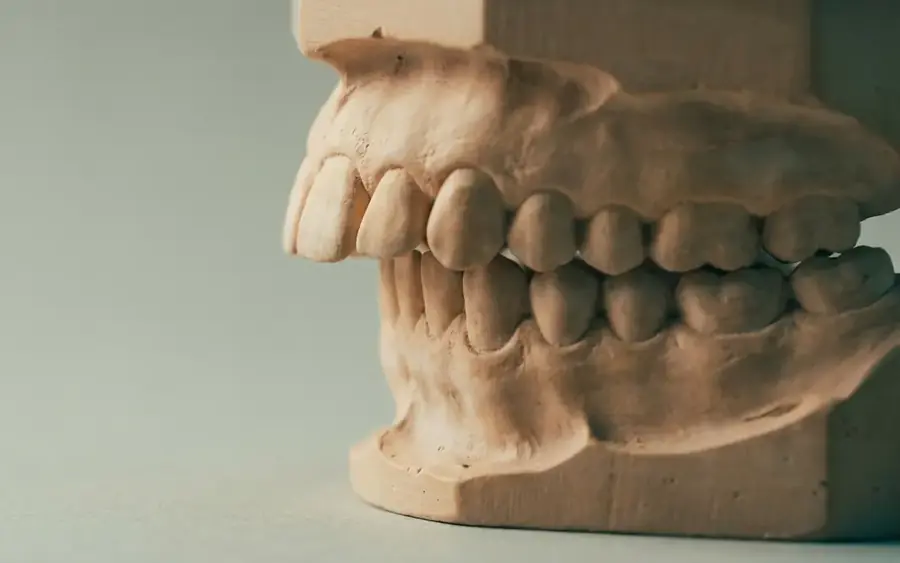
Malocclusions: which types exist and which need treatment
Not every crooked row of teeth is a diagnosis. Which deviations are treated – and why.
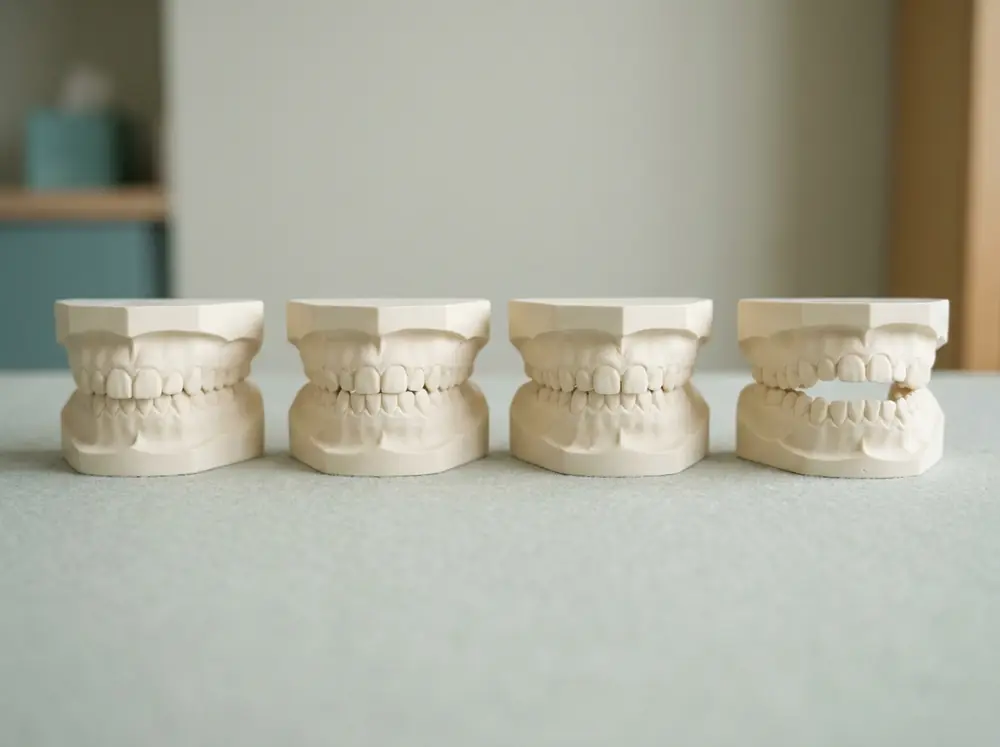
A malocclusion exists when the teeth are not positioned, or the jaws do not relate to each other, in a way that is favourable for chewing, speaking and oral hygiene. Professionally, two levels are distinguished: the position of individual teeth – rotated, tilted, displaced – and the way the jaws relate to each other, that is, the bite.
How malocclusions develop
The predisposition is inherited: jaw size and tooth size are inherited separately, and when large teeth meet a narrow jaw, there is a lack of space. Added to this are acquired causes – prolonged thumb sucking, a pacifier beyond the age of three, constant mouth breathing, milk teeth lost early that no longer hold the space open for their successors.
When treatment is given
Treatment is given when a malocclusion has consequences or will foreseeably have them: individual teeth that carry the whole load when biting; edges that wear down; spaces between teeth that cannot be cleaned; a bite that forces the jaw joint into a strained position. Mild crowding of the lower front teeth, on the other hand, is common and does not need a brace in every case.
The individual pictures
On the following pages, each malocclusion is described in its own right: what you see, where it comes from, what becomes of it if left untreated and by what means it is corrected.
Overview
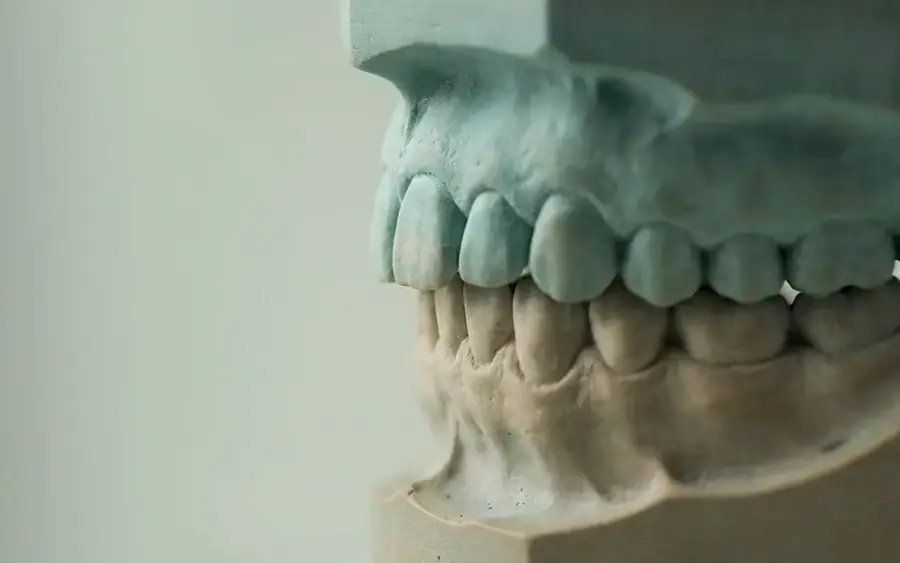
The six most common malocclusions
Which deviation is present determines the effort, timing and cost of treatment.
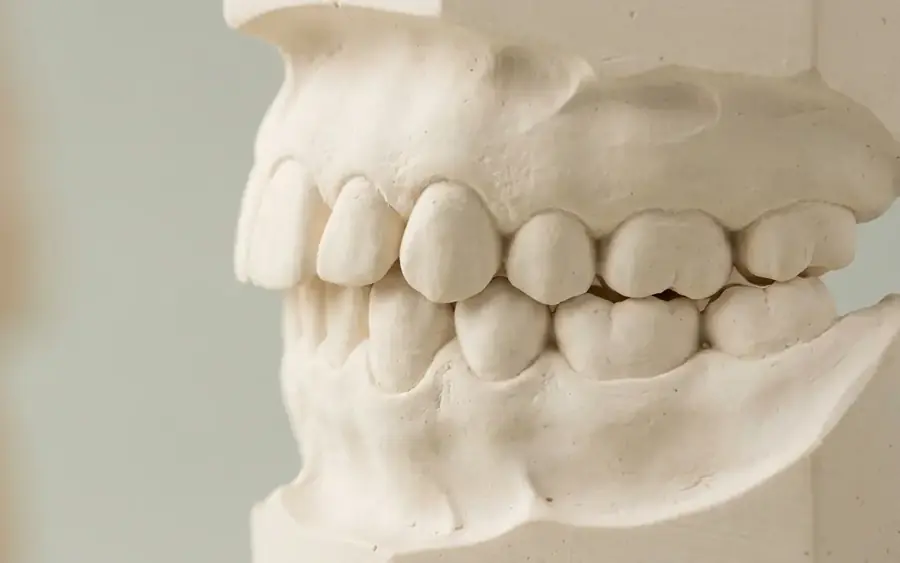
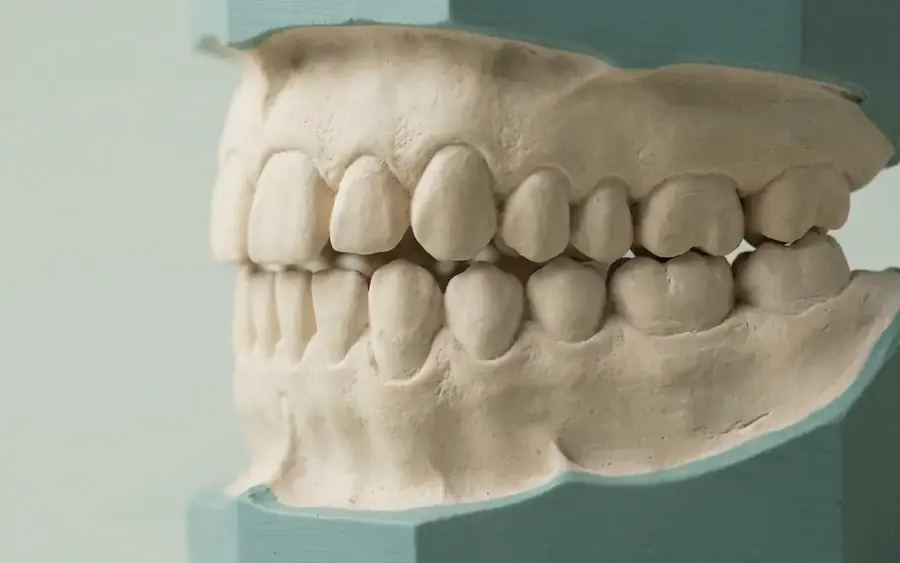
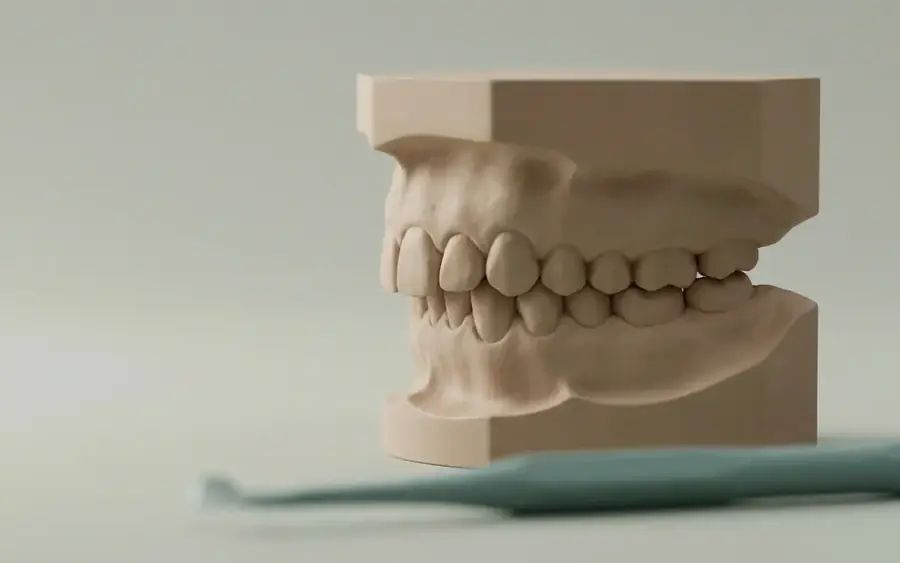
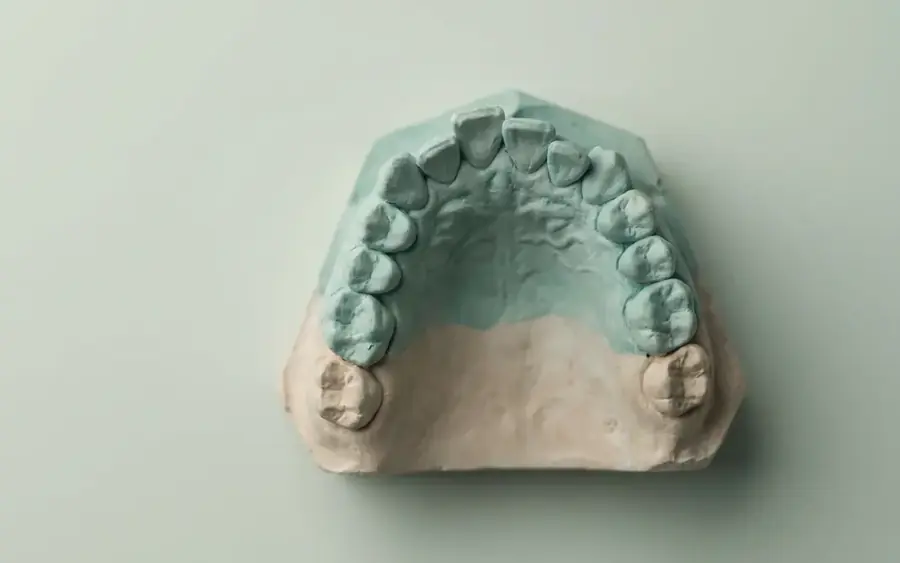
The key facts at a glance
- A distinction is made between the position of individual teeth and the way the jaws relate to each other – the bite. The two can deviate separately or together.
- Jaw size and tooth size are inherited separately. When large teeth meet a narrow jaw, crowding develops.
- Acquired causes are above all thumb sucking, prolonged pacifier use, constant mouth breathing and milk teeth lost too early.
- What gets treated is what has consequences: overloading of individual teeth, wear, spots that are hard to clean, strain in the jaw joint.
Answered briefly
Frequently asked questions
No. What matters is whether it has consequences: are individual teeth being overloaded, are edges wearing down, has a spot become impossible to clean, is speech affected? Slight crowding of the lower incisors without such consequences is not a compelling reason for treatment.
In the mixed dentition much is still changing. Crowding of the primary teeth can resolve as the jaw grows. A crossbite or a pronounced overbite, on the other hand, does not as a rule grow out – for these misalignments an early visit pays off.
Not automatically. It becomes harmful when the misalignment distributes chewing forces unevenly or when areas develop that brush and floss can no longer reach. Then the risk of caries and of periodontal disease increases.
The orthodontist, based on models, photos and X-rays. The classification into the KIG (German orthodontic indication groups) also determines whether statutory health insurance covers the treatment.