
Orthodontics for children: when the first appointment makes sense
During growth, things can be guided that later can only be corrected.
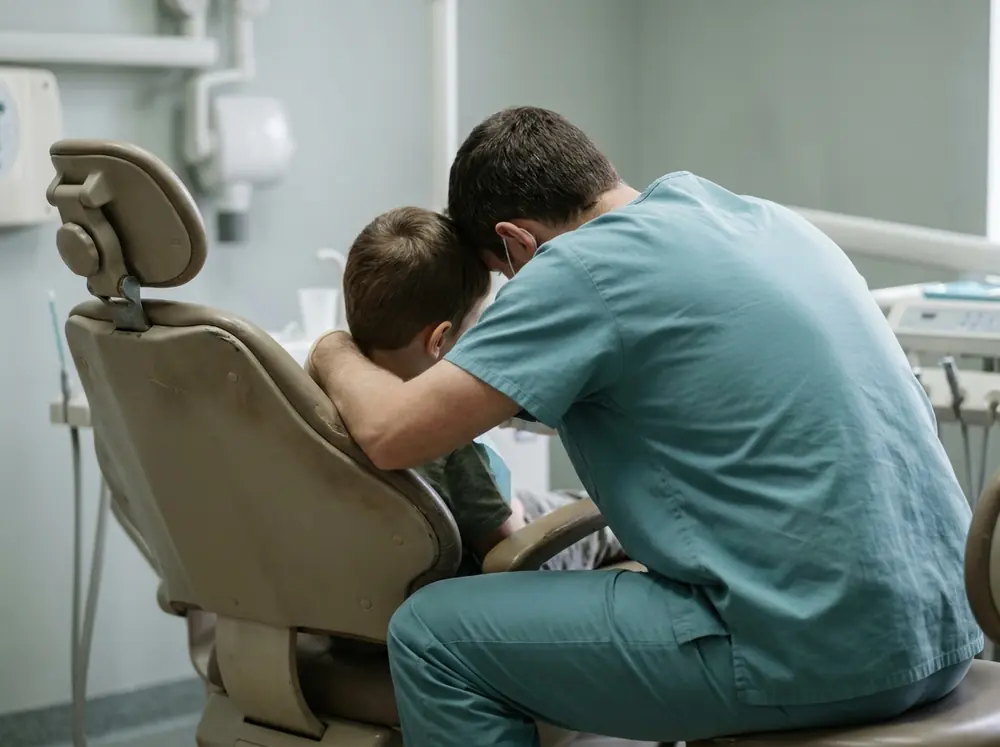
The best time for an orthodontic examination is between the ages of eight and nine. By then the permanent front teeth and the first permanent molars are in place, and it is possible to see where development is heading – without growth already being complete.
Why growth makes the difference
As long as the jaws are growing, their development can be influenced. A narrow upper jaw can be widened, a receding lower jaw can be guided forward during growth. Once growth is over, neither is possible any more – then only the position of the teeth or a surgical procedure remain.
Early treatment: not the rule
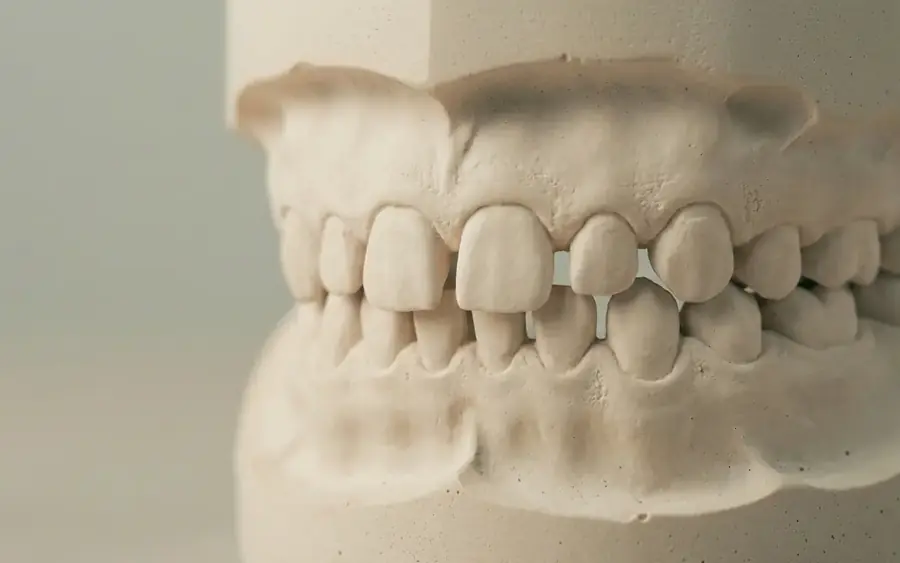
Treatment before the age of eight is the exception and has clear indications: a crossbite, a pronounced overbite with a risk of injury to the upper front teeth, an open bite caused by sucking habits, or a lack of space preventing a permanent tooth from erupting. Without such an indication, one waits – early treatment rarely replaces later treatment; it usually comes in addition.
Habits play their part
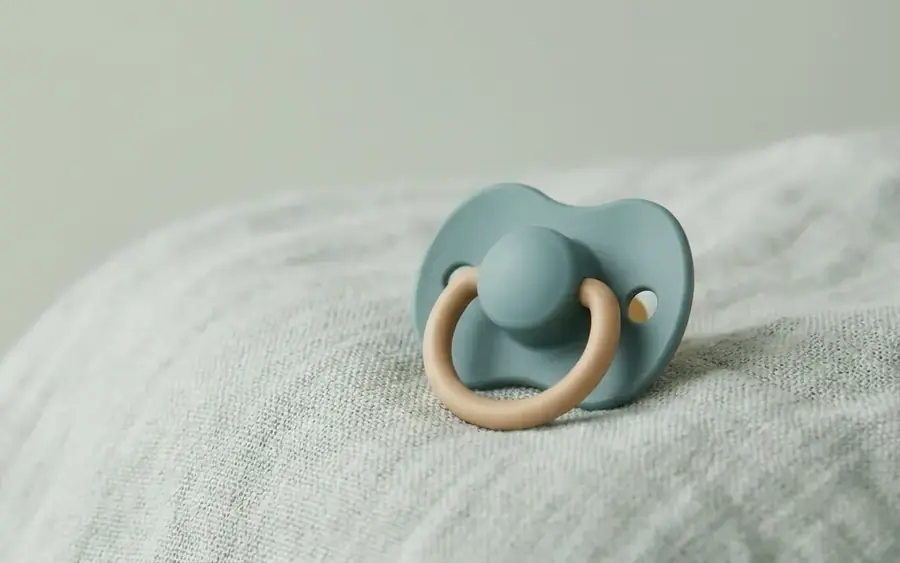
Thumb sucking and pacifiers shape the jaw if they persist beyond the age of three. Constant mouth breathing – often due to enlarged adenoids – changes the position of the tongue and with it the upper jaw. Removing these causes is part of the treatment, not its prelude.
Children and adolescents
What comes up in childhood
In the mixed dentition, jaw growth can be worked with. These four questions arise most often.
The key facts at a glance
- The first examination fits at eight to nine years of age – when the permanent front teeth and the first molars are in place.
- As long as the jaws are growing, their development can be guided. After that, only tooth position or surgery remain.
- Early treatment needs an indication: crossbite, protruding front teeth with a risk of injury, open bite, teeth prevented from erupting.
- Thumb sucking, a pacifier beyond the age of three and constant mouth breathing help shape the jaw.
Answered briefly
Frequently asked questions
Between eight and nine years of age, once the permanent incisors and the first permanent molars have come through. If your dentist notices something before then – a crossbite, strongly protruding incisors, an open bite – then earlier.
A consultation, an examination of the teeth and jaw joints, usually impressions or a scan, photos and a panoramic X-ray. From this comes the assessment of whether and when treatment should take place. As a rule, no treatment is carried out at this appointment.
No. It has clear indications and usually does not replace the later treatment but comes in addition to it. Without such an indication, waiting is the better decision – it spares the child years with an appliance.
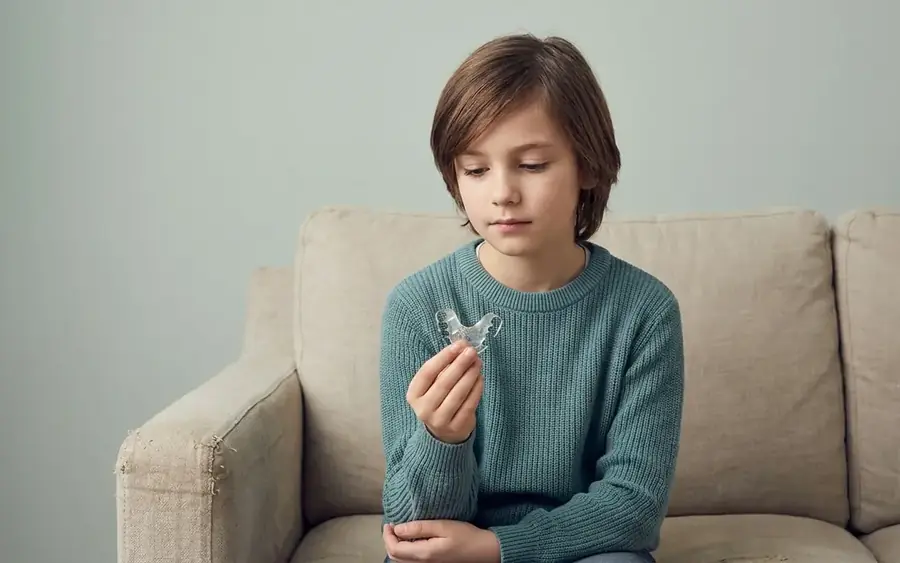
Raise it at the practice instead of fighting it out at home. With removable appliances, wearing time decides success; if it is not achieved, a fixed brace is often the more honest solution. Some practices read the wearing time from a sensor – that takes the argument out of the family.